• + 39.02.57602651
  • info@proind.it
logo Proindlogo Proindlogo Proindlogo Proind
  • Company
  • Certifications
  • Product
    • Release agents and adjuvants
    • Waterproofing products
    • Anti-shrinkage cement mortars
    • Corrosion control products
    • Professional accessories for construction
    • Special technical products
  • Product guide
  • Applications on site
  • Blog
  • Contacts
0
English
  • Italian
Recupero scalinata
Restoration of a seaside staircase in Liguria near Sori
March 11, 2026
Calcestruzzo ammalorato
Ripristino del calcestruzzo ammalorato: come intervenire su strutture degradate e ferri ossidati
May 13, 2026

Concrete carbonation: causes, damage to reinforcement and solutions to prevent it

Carbonatazione del calcestruzzo

Concrete carbonation: how to prevent reinforcement corrosion

Reinforced concrete is one of the most widely used materials in modern construction thanks to its mechanical strength and durability. However, over the years, exposure to the elements and the surrounding environment can lead to structural deterioration. Among these, one of the most common is concrete carbonation, a chemical process that can compromise the natural protection of the steel reinforcement.

Understanding how carbonation develops, what effects it has and how to address it with specific products enables the safety and integrity of buildings, prefabricated structures, bridges, car parks and infrastructure to be preserved over time.
What is concrete carbonation?

Carbonation is a natural chemical process that occurs when carbon dioxide from the atmosphere penetrates the pores of the concrete and reacts with the alkaline elements present in the cement matrix.

This reaction causes a gradual decrease in the material’s pH.

Under normal conditions, the alkaline environment of the concrete naturally protects the steel reinforcement through a process known as passivation. When the pH drops, this protection is lost and the metal becomes vulnerable to oxidation.

Carbonatazione del calcestruzzo

What factors accelerate carbonation?

The rate at which carbonation progresses within concrete depends on several factors:

  • high porosity of the concrete;
  • sub-optimal water-to-cement ratio;
  • surface micro-cracks;
  • insufficient concrete cover;
  • prolonged exposure to moisture and temperature fluctuations;
  • urban or industrial environments with high CO₂ concentrations.

Structures most exposed to the elements are generally more vulnerable, especially when adequate preventive measures have not been taken during the design phase.

What happens to the reinforcement when the concrete carbonises?

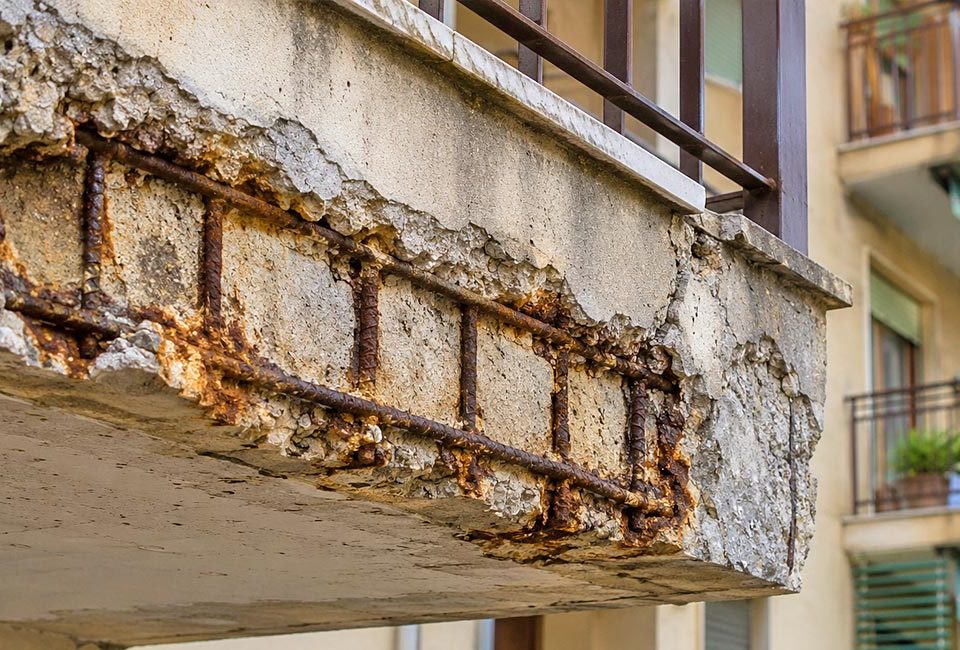
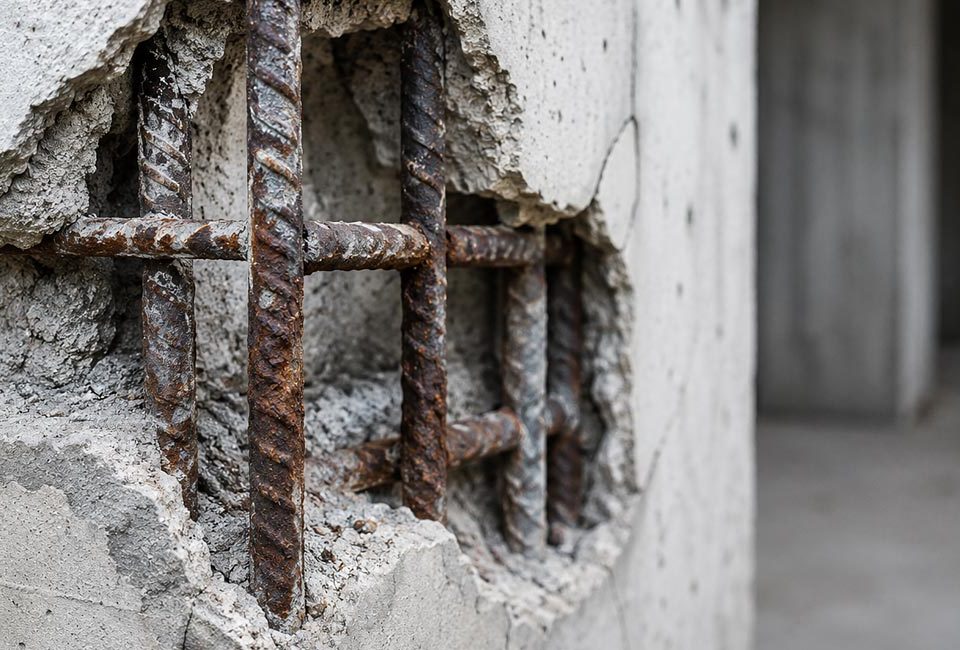
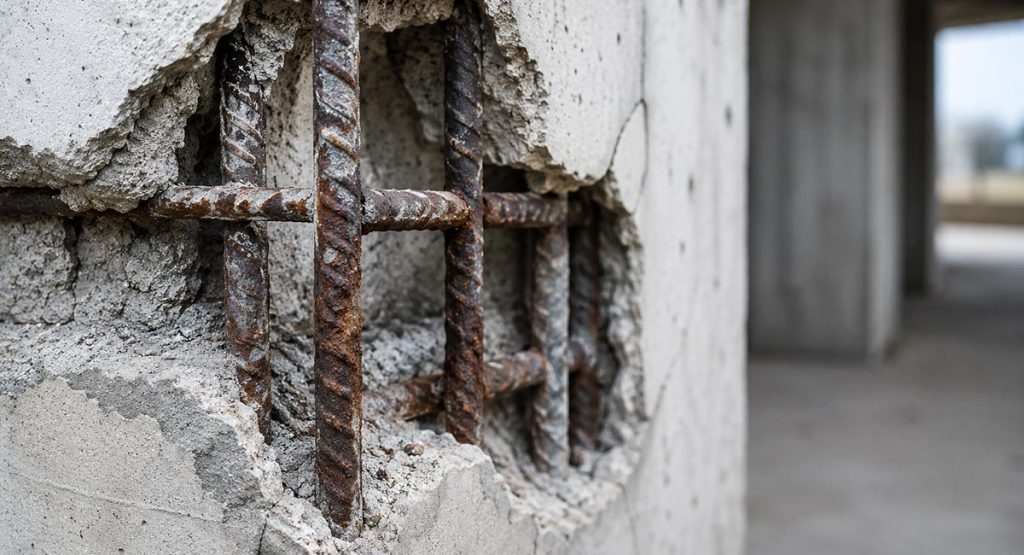
When the carbonation front reaches the steel reinforcement, the steel loses its natural protection and the corrosion process can begin.

The main consequences may include:

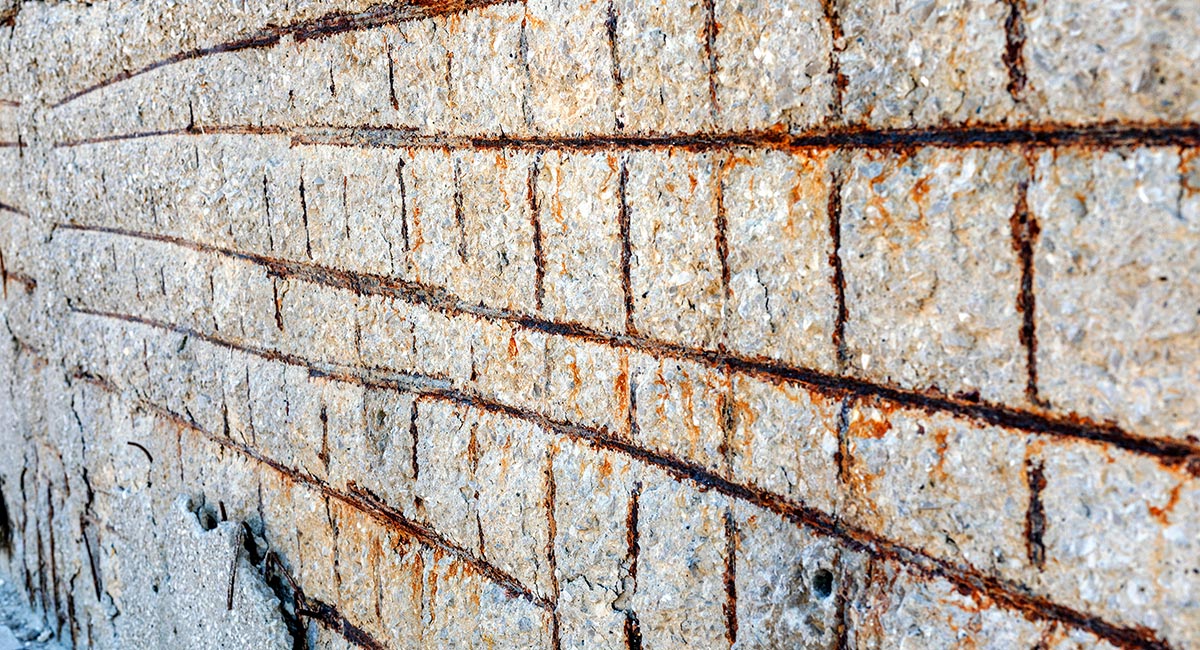
  • rust formation on the reinforcement;
  • increase in the volume of the oxidised metal;
  • formation of surface cracks;
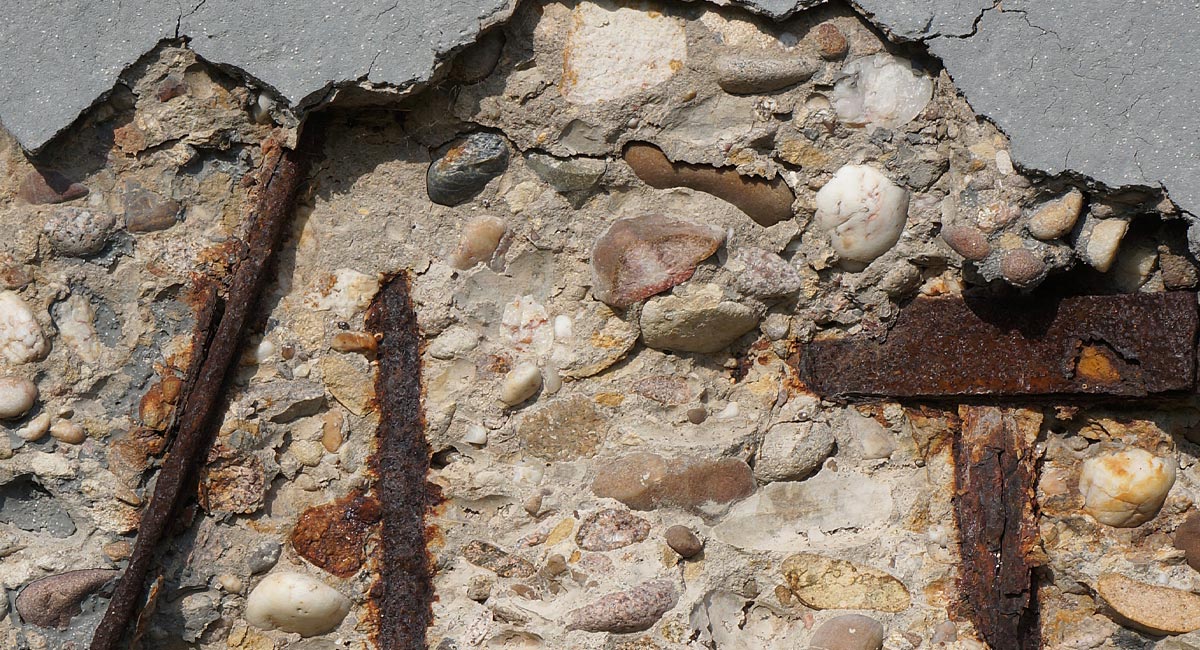
  • detachment of the concrete cover;
  • loss of bond between steel and concrete;
  • reduction in structural performance.

If not addressed in time, this phenomenon may require complex and costly repair work.

How to prevent carbonation in concrete

Prevention is the most effective strategy for extending the service life of reinforced concrete structures.

Protection during new construction

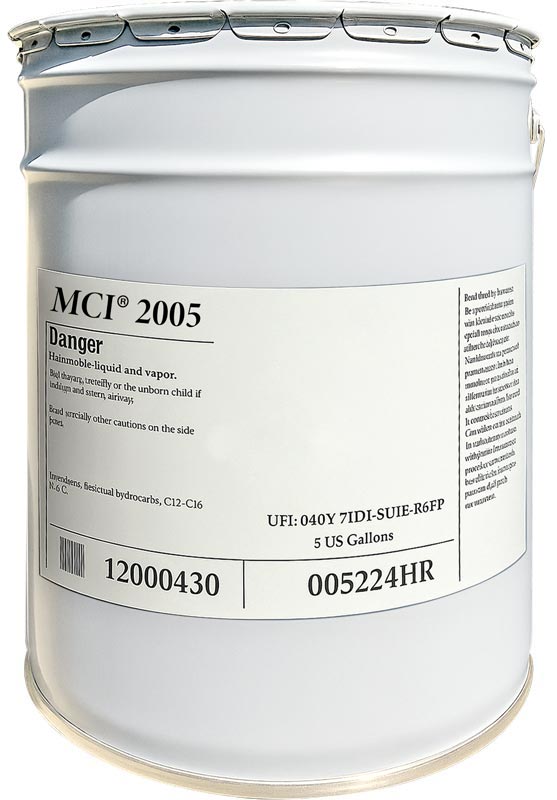
MCI 2005During the design phase or whilst casting new concrete, protection systems can be incorporated directly into the concrete.
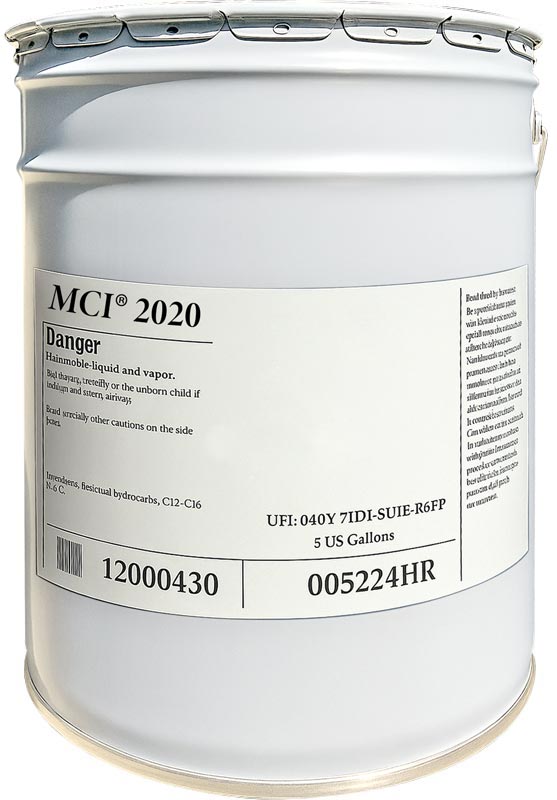
An effective technical solution is MCI 2005, formulated to protect reinforcement from corrosion caused by carbonation, chlorides and environmental aggressions.

This type of protection is particularly suitable for:

  • prefabrication;
  • infrastructure works;
  • multi-storey car parks;
  • industrial structures;
  • marine environments.

Protection of existing structures

MCI 2005Existing structures can be protected without invasive work through specific surface treatments.
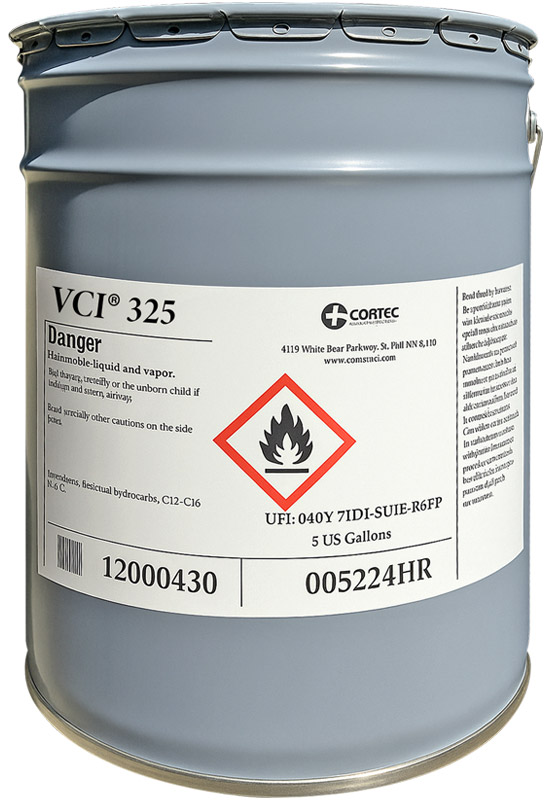
MCI 2020 is a solution designed to penetrate the porosity of concrete until it reaches the metal reinforcement, creating internal protection against corrosion.

This treatment is ideal for:

  • reinforced concrete facades;
  • balconies and parapets;
  • industrial structures;
  • car parks;
  • infrastructure exposed to the elements.

Additional protection for metal surfaces

In certain industrial settings or during specific maintenance procedures, it may also be useful to protect exposed metal components or steel surfaces.

Corrosion protection for metals

MCI 2005Among the solutions available in the Proind catalogue is also VCI 325, formulated to provide temporary or preventive protection for metal surfaces against oxidation and aggressive agents.
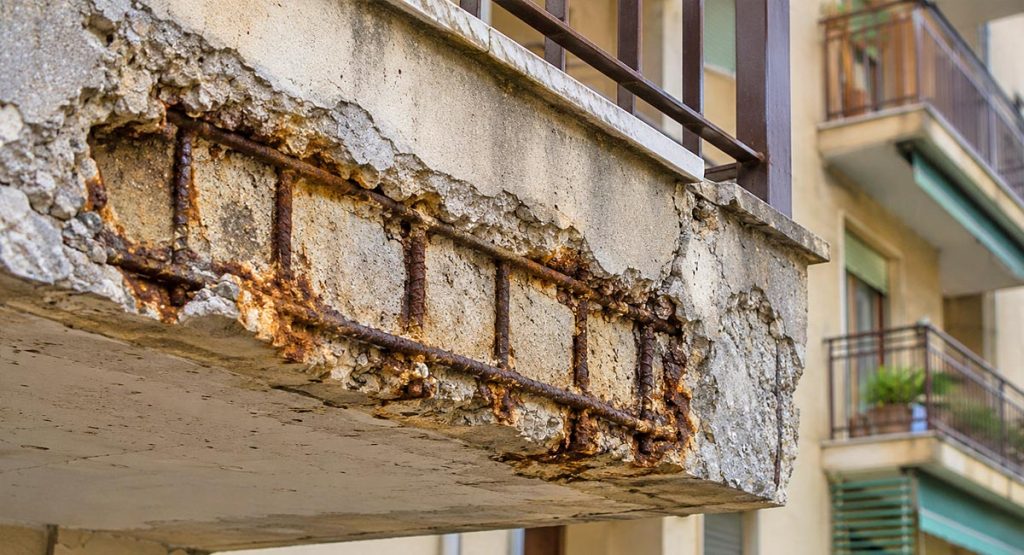
The use of products of this type can be particularly useful in:

  • metalwork;
  • industrial structures;
  • metal components exposed to moisture;
  • maintenance of structural elements.

Why take action before the damage becomes visible?

One of the most critical aspects of carbonation is that the process can develop internally for years without showing any obvious signs.

By the time cracks, rust spots or surface flaking appear, the corrosion process is often already well advanced.

For this reason, it is important to adopt preventive strategies using solutions such as:

  • MCI 2005 in new buildings;
  • MCI 2020 in existing structures;
  • VCI 325 for metal components;

enables maintenance costs to be reduced and the service life of structures to be significantly extended.

Conclusion

Concrete carbonation is one of the main causes of deterioration in reinforced concrete structures. Understanding this phenomenon and implementing targeted preventive measures makes it possible to protect the reinforcement, ensure the safety of structures and optimise investments in the long term.

Thanks to the technologies developed by Proind, it is now possible to protect both concrete and metal surfaces using anti-corrosion systems specifically designed for every stage of a structure’s life cycle.

Would you like a free consultation for your project?

Contact us to identify the most suitable protection strategy for your structure: whether it is a new construction, maintenance work or a temporary protection requirement, we have the tailor-made solution.

CONTACT US
Share
0

Related posts

Calcestruzzo ammalorato
May 13, 2026

Ripristino del calcestruzzo ammalorato: come intervenire su strutture degradate e ferri ossidati


Dettagli
Cemento armato
February 25, 2026

Disarming: essential solutions for efficient, high-quality construction


Dettagli
Precast
February 25, 2026

Precast materials: solutions for high-quality prefabrication


Dettagli

© 2024 PROIND SRL - P.IVA: 04084490152 - All Rights Reserved.
Via Fornace Cavallino 13/15 - 20073 Opera (Milano) - Italy

Tel.: +39.02.57602651 - Fax: + 39.02.5760635 - E-mail: info@proind.it

Privacy

    0English
    • Italian
    • English