• + 39.02.57602651
  • info@proind.it
logo Proindlogo Proindlogo Proindlogo Proind
  • Company
  • Certifications
  • Product
    • Release agents and adjuvants
    • Waterproofing products
    • Anti-shrinkage cement mortars
    • Corrosion control products
    • Professional accessories for construction
    • Special technical products
  • Product guide
  • Applications on site
  • Blog
  • Contacts
0
English
  • Italian
impermeabilizzare il calcestruzzo
How to waterproof concrete: a comprehensive guide to protecting structures from water
July 3, 2026

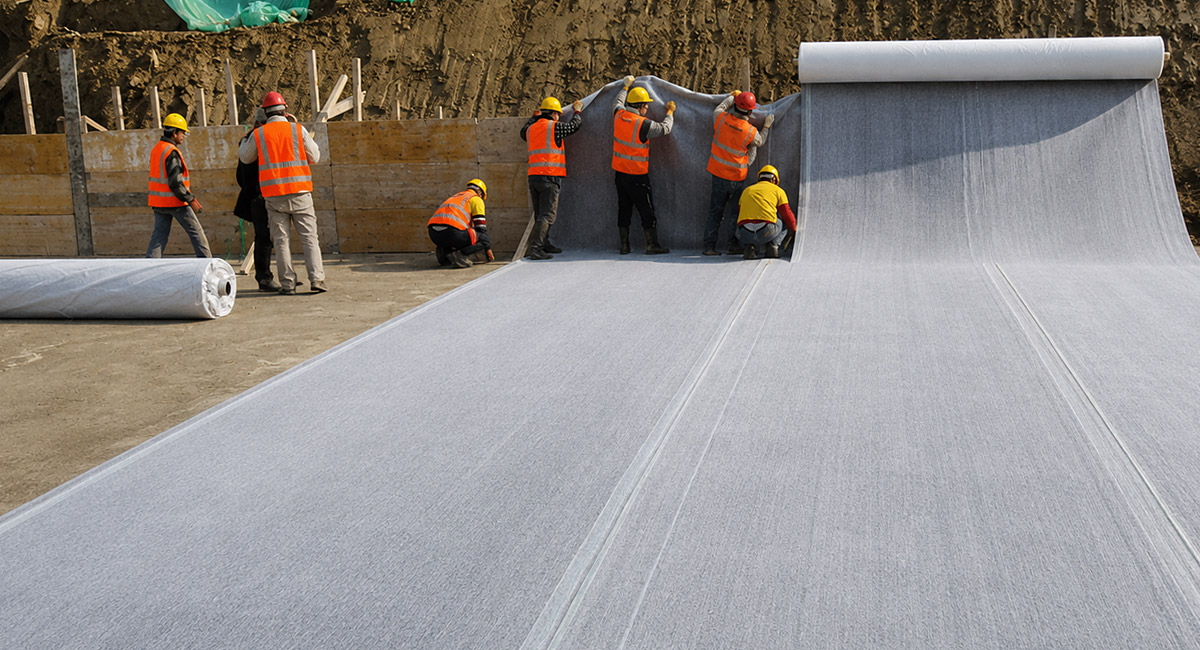
Waterproofing foundations and walls in contact with the ground: a comprehensive guide to preventing water ingress and damp

Impermeabilizzazione di fondazioni

Water is one of the main factors contributing to the deterioration of concrete structures. Although this material is often considered extremely strong and durable, its natural porosity allows moisture to penetrate the cement matrix, especially when cracks, improperly sealed joints, or suboptimal construction details are present.

Water infiltration does not merely cause aesthetic problems such as moisture stains or salt efflorescence. Over time, it can compromise the durability of the entire structure, leading to corrosion of the steel reinforcement, loss of concrete cover, increased cracking, and a progressive decline in the concrete’s mechanical performance.

For this reason , waterproofing must be considered an integral part of the design and construction of any structure, whether civil or industrial. Taking preventive action reduces the risk of future water infiltration, minimizes maintenance requirements, and significantly extends the structure’s service life.

Today, there are numerous technologies available for waterproofing concrete. Choosing the most suitable solution depends on several factors: the type of structure, the stage of the project (new construction or an existing building), the presence of pressurized water, environmental conditions, and the characteristics of the construction details. Before delving into techniques and products, it may be helpful to understand why waterproofing has become an increasingly important element in the design and maintenance of civil engineering projects. We addressed this topic in the article dedicated to the importance of waterproofing structures in the era of climate change.

In this guide, we’ll analyze the main waterproofing techniques, the most common mistakes to avoid, and the solutions that enable the construction of safer, more reliable, and longer-lasting structures.
Why concrete needs to be waterproofed

One of the most widespread beliefs is that concrete is naturally waterproof. In reality, this is not the case.

During the curing process of concrete, a network of capillary pores develops that can allow water and aggressive substances present in the environment to pass through. Even when the concrete is poured correctly, the material retains a certain degree of permeability, which can increase due to design errors, poor workmanship, or the normal aging of the structure.

Water is the primary vehicle through which external agents reach the interior of the concrete. Once it has penetrated, it can contribute to numerous forms of deterioration, some of which only become apparent after many years.

Among the main effects are:

  • corrosion of metal reinforcement;
  • carbonation of concrete;
  • formation of salt efflorescence;
  • deterioration caused by freeze-thaw cycles;
  • detachment of the concrete cover;
  • mold growth in underground areas;
  • reduced durability of the structure.

Properly waterproofing concrete therefore means preserving its properties over time, reducing maintenance requirements, and increasing the structure’s safety.

This applies to both new construction and existing buildings, where timely intervention can prevent much more significant and costly damage.

The main causes of water ingress in concrete

To choose the most effective waterproofing system, it is essential to understand how water ingress into concrete occurs.
In most cases, water does not pass through concrete uniformly, but exploits specific points in the structure that offer less resistance to penetration.

One of the most important factors is the material’s natural porosity. If the water-to-cement ratio has not been correctly calculated or if vibration during casting was insufficient, the network of pores can become more extensive and facilitate the passage of moisture.

Cracks also constitute one of the main routes of water ingress. They can be caused by concrete shrinkage, structural movements, ground settlement or temperature fluctuations.

A key role is also played by what are known as construction details.

Statistics show that many leaks originate at:

  • construction joints;
  • concrete joints;
  • pipe penetrations;
  • connections between precast elements;
  • manholes;
  • drains;
  • fixing points.

These are seemingly minor elements, but they are extremely sensitive, as they interrupt the continuity of the concrete and can become points of water ingress if not properly designed and protected.

Finally, hydrostatic pressure must be taken into account.

Foundations, retaining walls, underground car parks, tunnels and hydraulic structures are constantly subjected to the pressure of water present in the ground. Under these conditions, even a minor imperfection can lead to persistent water ingress that is difficult to eliminate.

Understanding the source of the problem is always the first step in choosing the most suitable waterproofing system.

How to choose the most suitable waterproofing system

There is no single system that works for all applications.

A concrete tank, a retaining wall, an underground parking garage, or a precast element each present completely different challenges and require solutions tailored to their specific operating conditions.

To identify the most effective method, several factors must be evaluated:

  • whether the structure is new or existing;
  • Is the water acting under pressure or through simple absorption?
  • Are there cracks?
  • Are there joints or construction joints?
  • What are the environmental conditions?
  • What will be the intended use of the structure?

Based on these assessments, three main intervention strategies can be identified:

  • prevention during construction;
  • waterproofing of existing structures;
  • protection of construction details and joints.

Each of these requires different products and techniques, which we will analyze in the following sections.

The main methods for waterproofing concrete

Waterproofing a concrete structure does not simply mean applying a product to the surface. Every structure has different construction characteristics, environmental conditions and levels of exposure to water, which require specific solutions.
Choosing the correct system must therefore begin with an analysis of the problem: preventing water ingress in a new build is very different from working on a structure that has already deteriorated or from sealing a particularly critical area such as a construction joint.

The main waterproofing techniques can be divided into four categories:

  1. waterproofing of concrete during the mixing stage;
  2. waterproofing of existing surfaces and structures;
  3. protection of joints and points of discontinuity;
  4. protective and restorative surface treatments.

Each of these solutions serves a different purpose and, in many cases, can be combined with the others to achieve a comprehensive protection system.

1. Waterproof the concrete right from the pouring stage

Impermeabilizzare il calcestruzzo

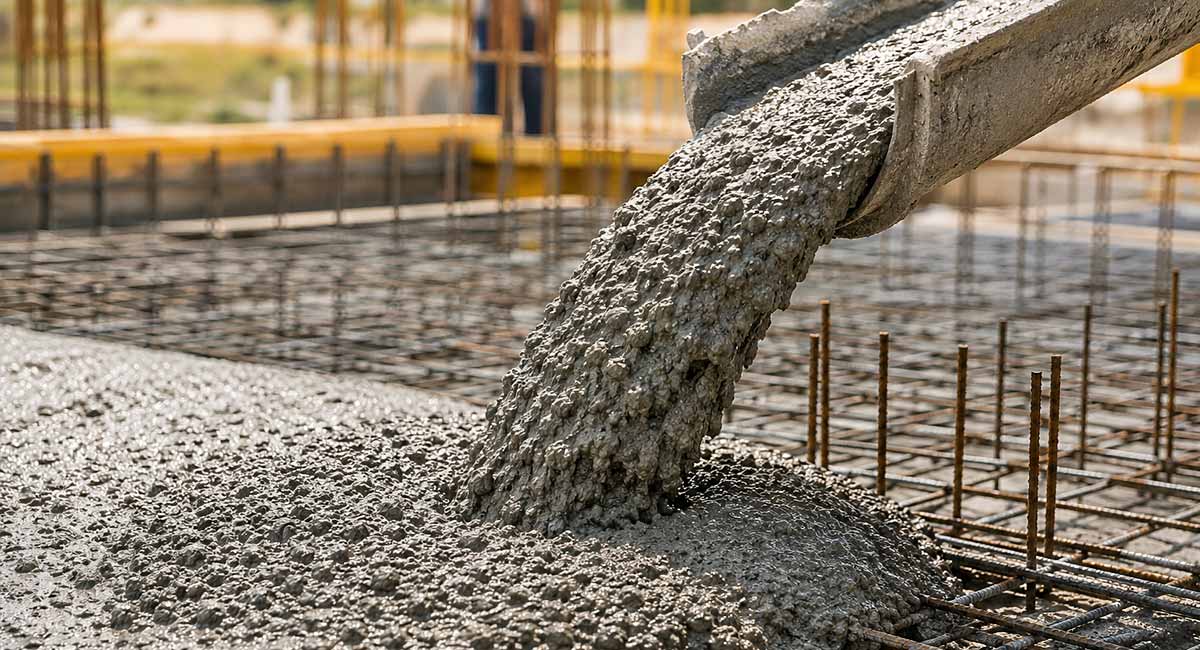
Waterproofing concrete during the mixing process is one of the most effective strategies for increasing the structure’s durability.

Waterproofing against water reflux

The best waterproofing is that which is designed before the concrete is even poured. Intervening directly during the mixing process makes it possible to reduce the permeability of the concrete, thereby limiting the formation of capillaries through which water could penetrate over time.

This approach is particularly suitable for structures intended for use in damp environments or in contact with groundwater, such as foundations, retaining walls, underground car parks, tunnels, hydraulic structures and tanks.

Among Proind’s solutions designed for this stage are HYDROMAS, a water-repellent admixture that is added directly to the concrete or mortar mix. The product reduces water absorption through the aggregate’s capillary network, helping to improve its impermeability and durability even under hydrostatic pressure. It is suitable for hydraulic works, foundation walls, tunnels, terraces and structures intended for use in particularly damp environments.

Where even higher performance is required, SIRIO SILICAFUME can be used; this is a microsilicate-based additive that increases the compactness of the cementitious matrix. As well as reducing the permeability of concrete by a factor of ten, it improves resistance to chlorides, limits carbonation and increases the overall durability of the structure, making it ideal for underwater casting and structures exposed to aggressive environments.

Go to product

2. Waterproofing existing structures and buildings

Impermeabilizzare il calcestruzzo

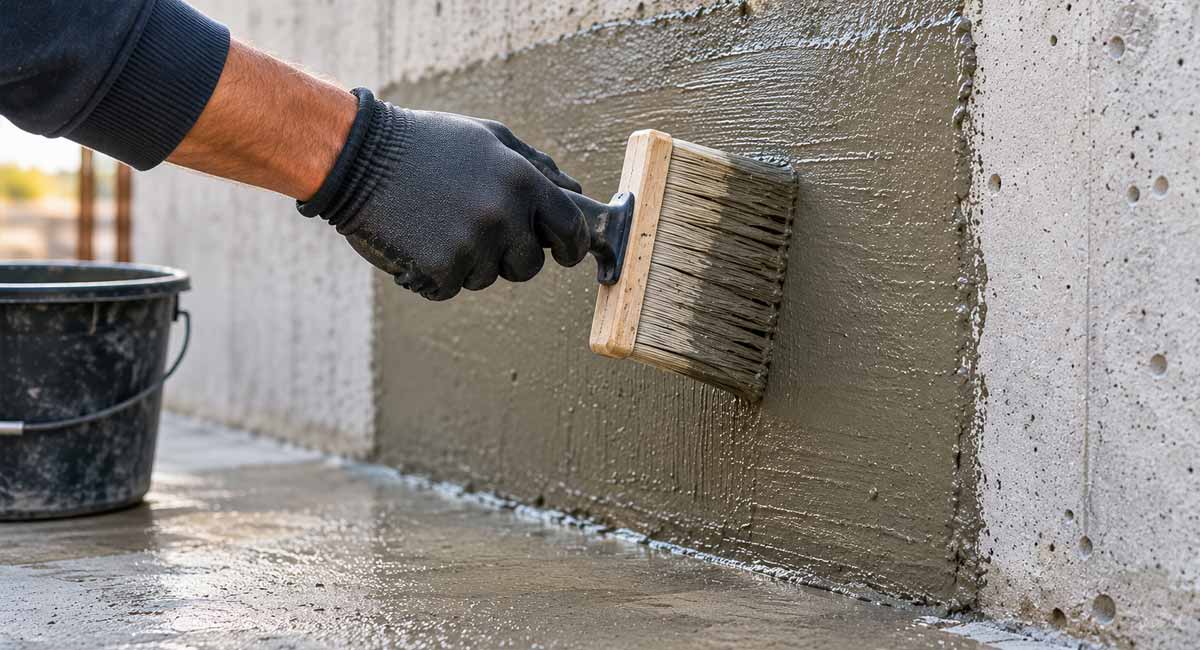
Applying waterproofing coatings to existing surfaces protects the structure from water penetration.

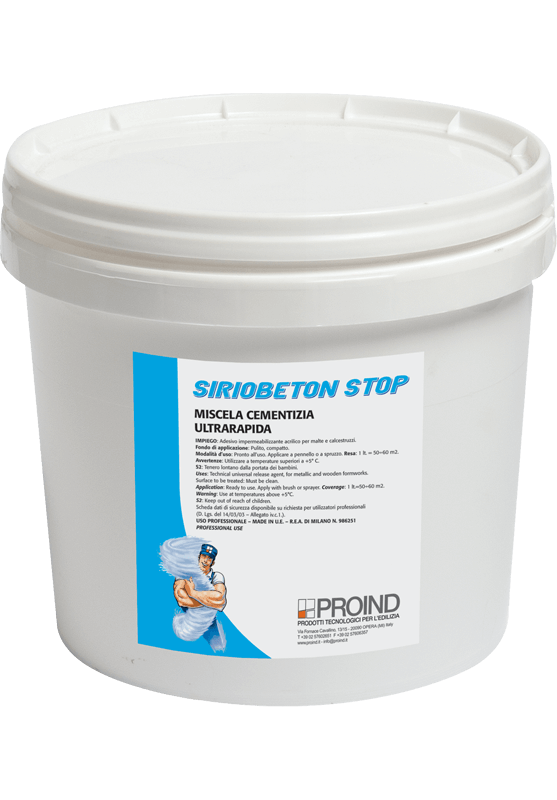
Ultra-fast cement mixture

Once a structure has already been built, the objective changes. It is no longer a question of treating the concrete from the inside, but of creating an effective barrier against water penetration and protecting the structure from deterioration.

In such cases, it is essential to assess the condition of the substrate, identify any active water ingress and check for cracks or deteriorated areas.

For waterproof coatings on masonry and concrete structures, Proind offers SIRIOSEAL, a ready-to-use cementitious mixture that allows for the creation of thin waterproof coatings. It is suitable for tanks, channels, swimming pools, sewage treatment plants, earth-retaining walls, basements and lift shafts, and can also be used in the presence of positive or negative hydrostatic pressure. Before application, any active leaks must first be sealed using SIRIOBETON STOP.

However, when water ingress is already occurring and water is seeping through holes or cracks, the first step is to stop the flow of water immediately. In this case, SIRIOBETON STOP is the ideal solution: an ultra-fast-setting cementitious mortar which, as it sets, expands to form a single unit with the masonry, instantly stopping the water ingress.

Go to product

3. Joints and critical points: where most leaks originate

Impermeabilizzare il calcestruzzo

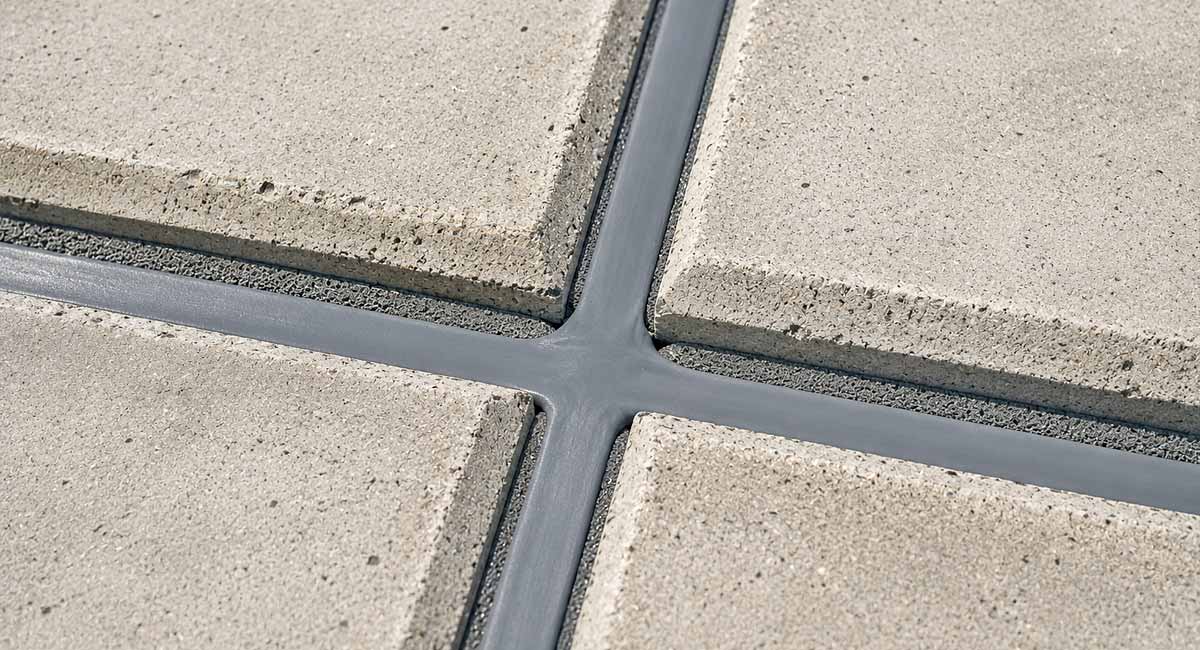
Concrete joints and construction joints are among the most critical areas of a concrete structure and require specialized sealing systems.

Polyurethane sealant in cartridge

In practical construction work, water ingress rarely affects surfaces that are in perfect condition. Much more often, it originates at points of discontinuity in the structure. Concrete joints, pipe penetrations, construction joints and connections between prefabricated elements are, in fact, the areas most exposed to water ingress. For further information on this topic, a guide is also available on professional joint sealing in the building industry.

For this reason, it is essential to incorporate specific sealing systems right from the construction stage.

For the creation of water-expanding seals directly on site, Proind offers EXPANDER K1, a single-component polyurethane sealant that expands on contact with water. It is suitable for creating sealing rings between pipes and masonry, sealing cracks, creating flexible joints between precast elements and sealing spacers during concrete pouring.

For concrete jointing, the GIUNTO BT bentonite strips are available, designed to expand on contact with water and ensure the continuity of the watertight seal between two successive pours.

When, on the other hand, the joint needs to maintain a certain degree of elasticity during the structure’s service life, GIUNTOFLEX comes into play: an elastic polyurethane sealant suitable for expansion joints, window and door frames, irrigation channels and concrete structures subject to minor movements.

Go to product

4. Protect surfaces from the elements

Impermeabilizzare il calcestruzzo

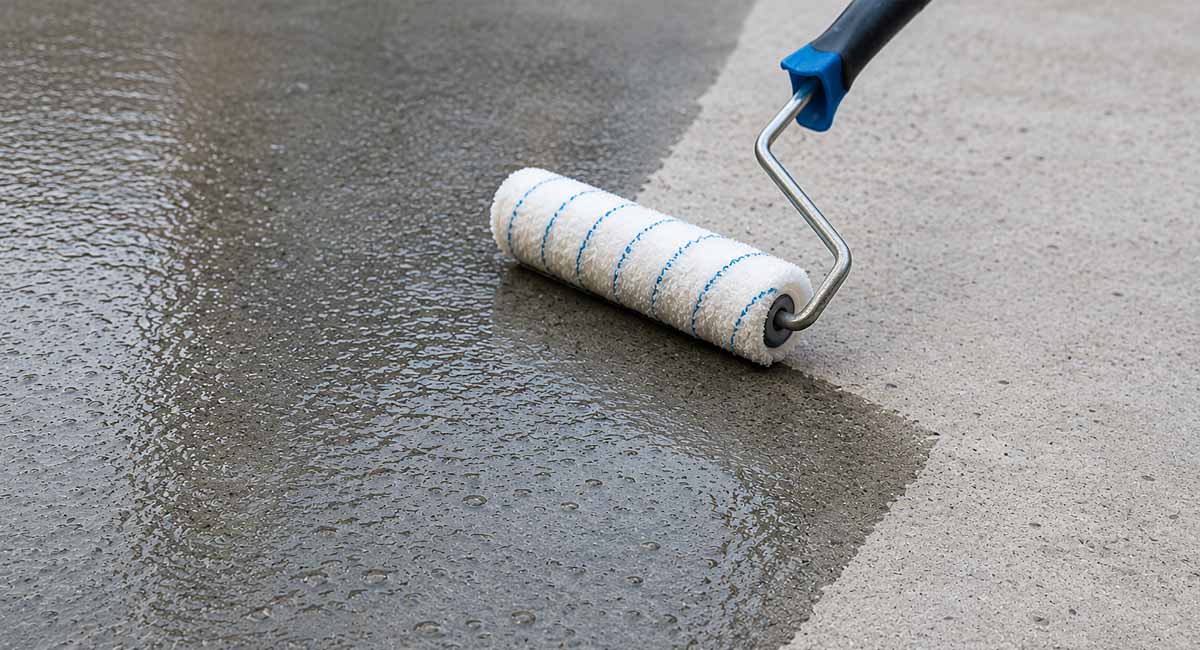
Surface treatments protect concrete from the elements, reducing water absorption and slowing down deterioration.

Water-repellent impregnator for exteriors

Not all structures are exposed to water ingress under pressure. Many structures simply require surface protection against rain, damp, freeze-thaw cycles and environmental damage.

For these applications, Proind offers two products with different functions.

HYDROSTOP is a water-repellent impregnating agent that penetrates the substrate and reduces water absorption without altering its breathability or appearance. It is suitable for exposed concrete, stone, bricks and plasterwork exposed to the elements, but not for structures that are permanently submerged or subject to hydrostatic pressure.

Where the substrate is already degraded, the most suitable solution is SIRIOSAN, a restorative waterproofing agent with a consolidating effect. Thanks to its high ability to penetrate the capillaries of the concrete, it helps to restore the material’s properties, protecting it from the elements and limiting the formation of mould and efflorescence. It is particularly suitable for balconies, terraces and concrete structures exposed to environmental degradation. Any cracks must first be sealed with SIRIOSEAL, as indicated in the product’s application instructions.

Go to product

The most common mistakes to avoid

Effective waterproofing depends not only on the choice of product, but above all on the correct planning of the work.

Among the most common mistakes are:

  • carrying out work without having identified the actual source of the leak;
  • neglecting joints and construction joints;
  • using surface-level products for problems caused by pressurised water;
  • applying coatings to degraded or inadequately prepared substrates;
  • underestimating the importance of long-term maintenance of the structure.

Every project should be preceded by a careful analysis of the structure, its operating conditions and the ways in which water comes into contact with it.

Conclusioni

Waterproofing concrete means ensuring the durability of the structure. There is no one-size-fits-all solution: the choice depends on the type of structure, the stage at which the work is carried out, and the conditions of exposure to water.

Proind’s solutions cover the entire life cycle of the structure, from protecting the concrete during the mixing stage with HYDROMAS and SIRIO SILICAFUME, to waterproofing coatings with SIRIOSEAL, right through to joint sealing systems, stopping active water ingress and providing surface protection for the structures.

Careful design, the use of specific products and professional installation are the best combination for creating durable, safe structures that maintain their performance over time.

Which waterproofing product to choose depending on the problem

Every waterproofing project requires a specific solution. The choice of product depends on the type of structure, the stage of construction and the problem to be solved. The table below summarises the main applications of Proind waterproofing systems.

Requirement Proind Product Typical Applications Why Choose It
Reduce concrete permeability during casting HYDROMAS Foundations, retaining walls, foundation slabs, tunnels, hydraulic structures. Integral waterproofing admixture that helps reduce water penetration through the concrete capillary network.
Produce denser and more durable concrete SIRIO SILICAFUME Underground structures, structures exposed to aggressive environments, high-performance concrete. Improves the density of the cementitious matrix, reduces permeability and increases resistance to aggressive agents.
Seal construction joints below ground level GIUNTO BT 100 / 200 Construction joints in foundations, slabs, retaining walls and underground structures. Hydrophilic bentonite waterstop that provides a watertight seal between successive reinforced concrete pours.
Seal pipe penetrations and critical details EXPANDER K1 Pipe penetrations, cracks, manholes, drains, precast elements. Hydrophilic sealing paste that allows waterproof seals to be formed directly on site.
Waterproof foundations, slabs and retaining walls from the outside BENTOGEO Foundations, under-slab applications, retaining walls, underground structures exposed to groundwater. Self-sealing and self-healing bentonite membrane designed for structures exposed to groundwater, including under hydrostatic pressure.
Seal penetrations, overlaps and details in bentonite waterproofing systems BENTOPASTA Pipe penetrations, bentonite membrane overlaps, coves, spacers, casting imperfections. Trowel-applied bentonite paste that ensures continuity and reliable waterproofing at critical points.
Apply a cementitious waterproof coating SIRIOSEAL Retaining walls, basements, lift pits, tanks, canals, swimming pools, wastewater treatment plants. Cementitious waterproofing coating suitable for both positive and negative hydrostatic pressure.
Prepare concrete surfaces before applying bituminous membranes SIRIOSOL Foundation walls, roofs, bridges, viaducts, concrete structures. Fast-drying protective bituminous primer, ideal as a base coat before waterproofing membranes.

Technical advice: For underground structures, the best results are often achieved by combining several waterproofing systems. A foundation may require an integral waterproofing admixture, an external bentonite membrane, hydrophilic waterstops at construction joints, and dedicated sealing products for penetrations and other critical details.

Frequently asked questions about waterproofing foundations and walls in contact with the ground

Do foundations always need to be waterproofed?

In most new-builds, yes. Foundations are in direct contact with the ground and are constantly exposed to damp and, in many cases, to groundwater pressure. Proper waterproofing helps to increase the durability of the entire structure.

What is the difference between soil moisture and hydrostatic pressure?

Soil moisture simply involves contact with water or damp soil, whilst hydrostatic pressure occurs when water exerts a continuous force on the structure. These two conditions require different waterproofing systems.

When should a bentonite membrane be used?

Bentonite membranes are particularly suitable for foundations, ground slabs and retaining walls where there is water in the ground or groundwater. Bentonite swells on contact with water, helping to ensure the continuity of the waterproof barrier.

Why are cast-in-place sections critical points?

Cast-in-place joints disrupt the continuity of the concrete and are one of the main routes by which water can enter. For this reason, they must be protected using specific systems such as bentonite seals or hydro-expansive sealants.

Is it possible to waterproof an existing foundation?

Yes. Depending on the condition of the structure, it is possible to apply waterproofing coatings, sealing systems, membranes or other specific treatments designed to limit water penetration.

Do you need to find the most suitable waterproofing system?

Every foundation and every wall in contact with the ground has different characteristics and requires a specific technical assessment.

The Proind range of waterproofing products includes solutions designed to protect concrete, joints, construction joints and underground surfaces, enabling the creation of comprehensive and long-lasting waterproofing systems.

Contact the Proind team for further information on the products in the waterproofing range or to identify the solution best suited to your project’s requirements.

Contact us
Share
0

© 2024 PROIND SRL - P.IVA: 04084490152 - All Rights Reserved.
Via Fornace Cavallino 13/15 - 20073 Opera (Milano) - Italy

Tel.: +39.02.57602651 - Fax: + 39.02.5760635 - E-mail: info@proind.it

Privacy

    0English
    • Italian
    • English